

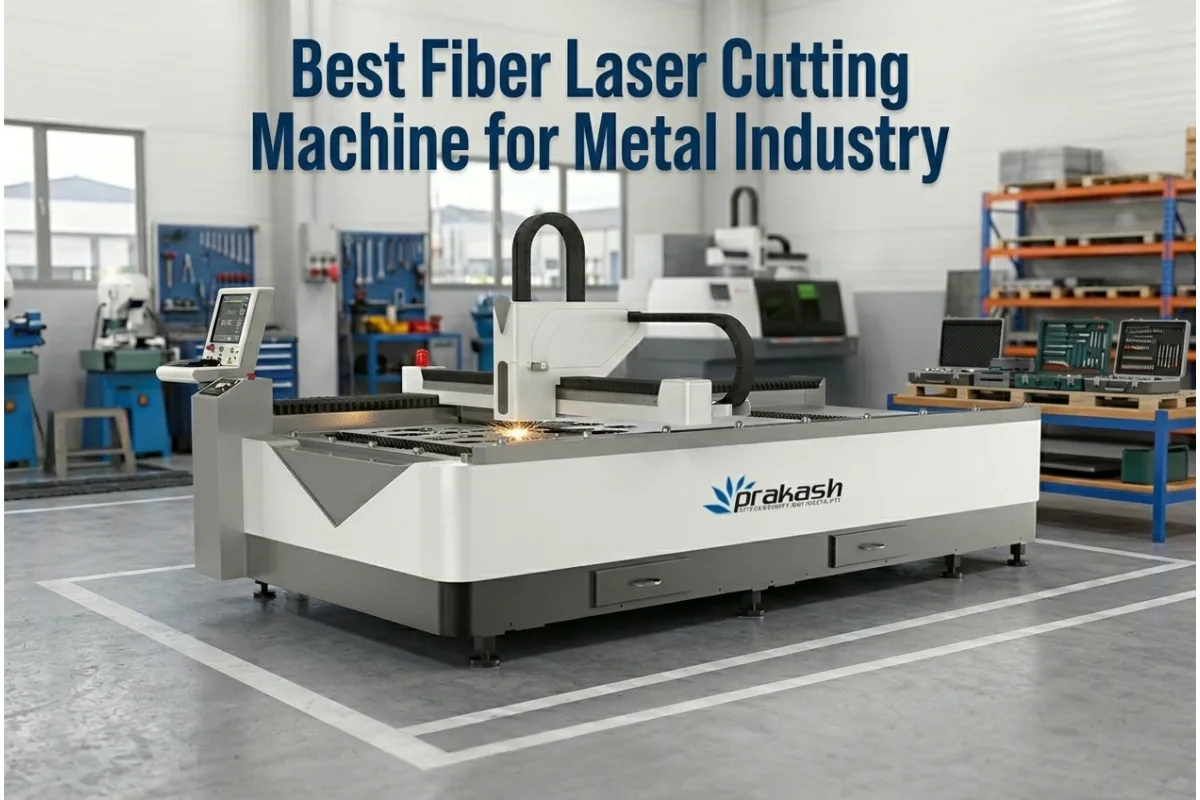
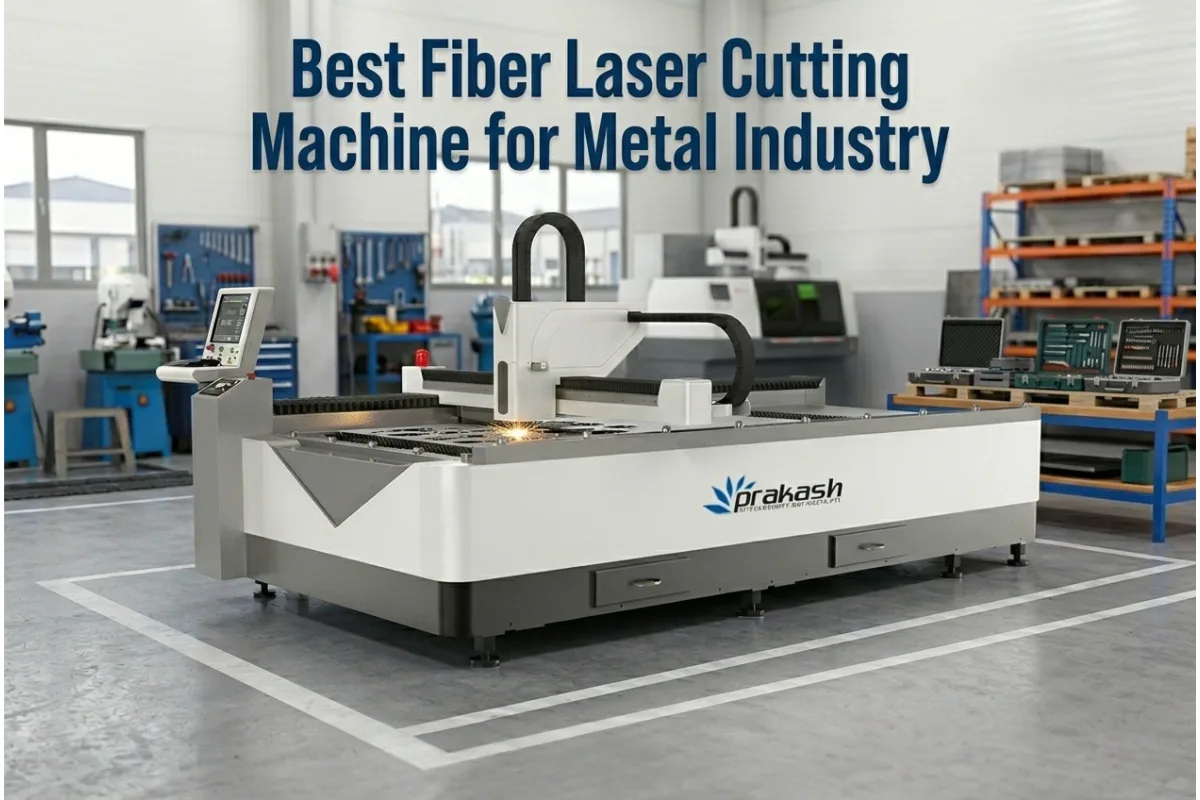
Choosing the best Fiber Laser Cutting Machine for the metal industry in 2026 comes down to how well it fits your actual production setup. Material type, sheet thickness, and daily workload play a greater role than headline specifications in ensuring consistent cutting performance.
This guide breaks down the key factors that matter during selection, including power range, cutting capacity, machine structure, and workflow compatibility. It focuses on what fabrication businesses and workshop owners should evaluate to ensure the machine supports stable operation and long-term production needs.
Features That Set The Best Fiber Laser Cutting Machine Apart
A fiber laser for metal cutting is widely used in fabrication environments that require precision and repeatability across different materials.
Faster cutting that supports higher output
- Higher cutting speeds help increase the number of parts processed per shift
- Smooth motion systems support uninterrupted operation
- Useful for batch production and time-sensitive jobs
Consistent accuracy for uniform results
- Narrow incision width supports clean and precise cuts
- Stable repeat positioning improves dimensional consistency
- Helps maintain uniformity across repeated components
Strong build for stable operation
- A rigid machine structure reduces vibration during cutting
- Supports long working hours without performance fluctuations
- Suitable for handling larger sheet sizes
Auto-focus system for controlled cutting
- Adjusts automatically based on material type and thickness
- Maintains cutting consistency across different jobs
- Reduces the need for frequent manual adjustments
Smooth workflow with CAD/CAM compatibility
- Enables direct use of design files in production
- Reduces manual intervention between design and cutting
- Supports structured and efficient fabrication workflows
Manufacturers like Prakash Laser design these systems to handle real shop-floor conditions, where stability, repeatability, and long-term performance matter just as much as cutting precision.
Top Uses Of Fiber Laser Cutting In Sheet Metal Fabrication
A modern metal laser cutting machine is designed to handle a wide range of fabrication requirements while maintaining consistent cutting performance.
- Electrical panels and enclosures: Used for cutting cabinet panels and enclosure sheets with consistent cutouts
- Automotive components: Suitable for brackets and sheet metal parts used in assemblies
- Fabricated structures: Used for frames, base plates, and support components that require alignment
- Custom sheet metal jobs: Handles both small-batch and repeat production requirements
For a broader understanding of how fiber laser cutting is applied across different sectors, you can also review this guide on “Which Industries Fiber Laser Cutting Machines Are Used In?”
Which High-Power Fiber Laser Cutting Machines Are The Best?
Selecting the right high-power Fiber Laser Cutting Machine depends on the type of fabrication work performed regularly. Instead of choosing the highest available power, it is more practical to match the machine’s output with material thickness, cutting speed requirements, and daily production volume.
Among commonly used configurations, 1.5kW, 2kW, and 3kW machines are widely preferred in fabrication setups because they offer a balanced combination of cutting capability and operational efficiency.
| Power Level | Best Suited For | Typical Use |
| 1.5kW | Thin to moderate sheet metal | Suitable for routine fabrication jobs and moderate workloads |
| 2kW | Mixed thickness and varied jobs | Supports consistent daily production across different materials |
| 3kW | Higher workload and thicker sheets | Used in industrial fabrication requiring faster cutting and higher output |
Quick Decision Guide
- 1.5kW – If most of your work involves thin sheet metal and routine fabrication
- 2kW – If you handle mixed material thickness and varied fabrication jobs
- 3kW – If your work includes thicker sheets and higher production requirements
For a closer look at these options, check this: 1.5KW vs 2KW vs 3KW Fiber Laser Cutting Machine – Which Is Right For You?
Advantages Of Fiber Laser Cutting Over Traditional Metal Cutting Methods
These advantages are often the reason why fiber laser cutting for metal is preferred when selecting a cutting system for fabrication work.
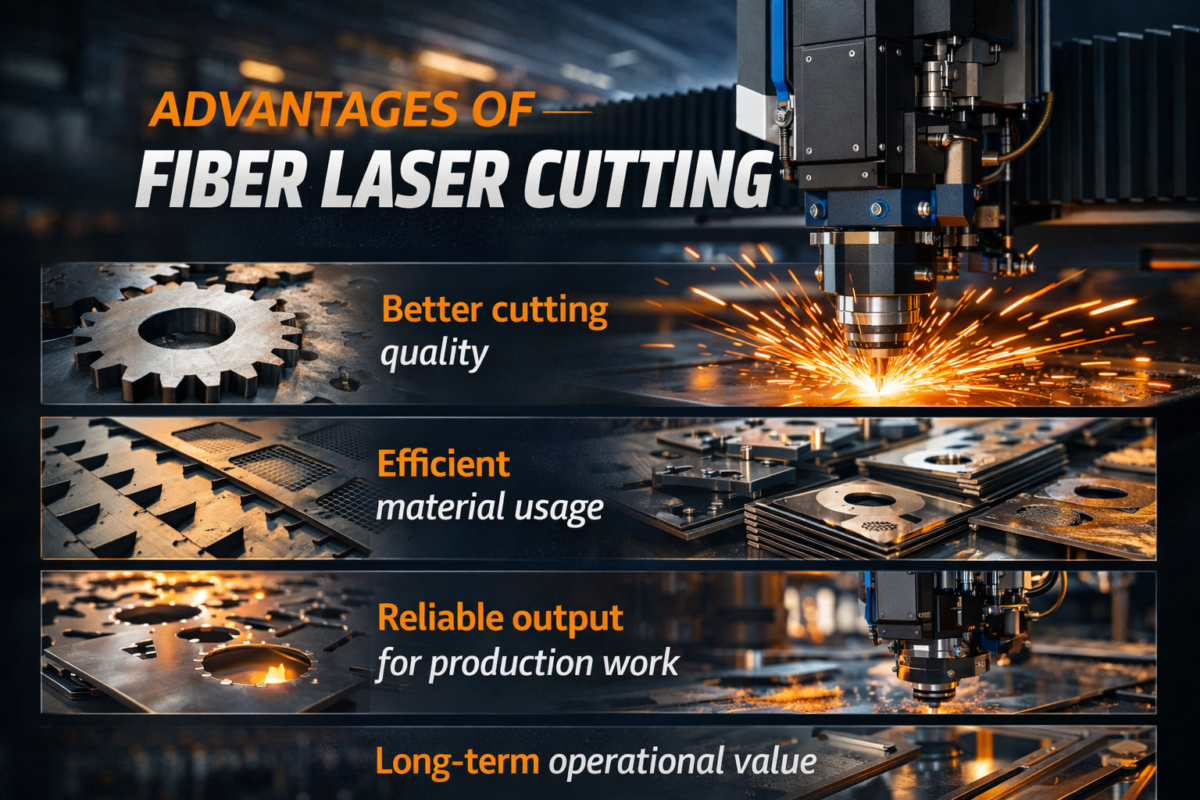
- Better cutting quality: Produces clean edges with minimal finishing required, making metal laser cutting well-suited for precise, detailed components.
- Efficient material usage: A narrow cutting path reduces waste and improves sheet utilization when working with fiber laser equipment for metal sheet applications.
- Consistent output across batch production: Maintains uniform results across repeated jobs, which is essential in Fiber Laser Cutting for sheet metal fabrication setups.
- Supports faster production cycles: Higher cutting speeds help meet production timelines, especially when working with high-power Fiber Laser Machines in industrial environments.
- Reduced secondary processing: Minimizes the need for grinding or finishing, making a metal-cutting fiber-laser setup more efficient for continuous fabrication.
If you are comparing different cutting technologies, this Fiber Laser vs CO2 cutting machine comparison can help you understand how each method differs in performance and application.
How To Identify The Best Fiber Laser Cutting Machine?
The best Fiber Laser Cutting Machine is not defined by specifications alone but by how well it performs in real-world conditions.
A suitable machine should:
- Match the material types and thickness handled regularly
- Support the required production volume
- Maintain consistent cutting quality across batches
- Fit within the available workspace and power setup
- Be supported by a reliable fiber laser metal cutting machine manufacturer or an experienced fiber laser metal cutting machine supplier
For fabrication shops, the best fiber laser machine balances cutting capability, workflow compatibility, and long-term operational stability.
To understand how different configurations impact overall investment, you can also review this breakdown of the Fiber Laser Cutting Machine price in India.
Common Mistakes To Avoid When Buying A Fiber Laser Cutting Machine
Even after reviewing specifications and features, certain buying decisions can lead to long-term limitations if not considered carefully.
Choosing based only on the maximum cutting capacity
- May not reflect regular production requirements
- Can lead to unnecessary investment in higher power
Misjudging the actual production workload
- Ignoring job frequency and batch size affects planning
- The machine should support daily output requirements
Comparing machines only on price
- Lower cost may not reflect long-term usability
- Performance, build quality, and support should also be considered
Final Thoughts
Selecting the best Fiber Laser Cutting Machine comes down to how well the system matches your day-to-day fabrication requirements. Material type, thickness range, and production volume all influence machine performance more than standalone specifications.
For fabrication businesses, the focus should be on choosing a setup that delivers consistent cutting quality, supports workflow efficiency, and handles production demands without frequent adjustments. When these factors are evaluated together, it becomes easier to identify a machine that performs reliably over time.
For businesses looking to expand beyond cutting, reviewing the Advantages of using Prakash’s Fiber Laser Marking Machine for Your Business can help you align both cutting and marking processes
Frequently Asked Questions
1. What is a Fiber Laser Cutting Machine?
A Fiber Laser Cutting Machine uses a high-energy laser beam delivered through an optical fiber to cut metal sheets into precise shapes. The process is digitally controlled, allowing accurate cutting of materials such as mild steel, stainless steel, aluminum, brass, and copper. It is widely used in fabrication setups where consistent cutting quality and repeatability are required.
2. Which metals can a Fiber Laser Cutting Machine cut?
Fiber Laser Cutting Machines are commonly used for mild steel, stainless steel, aluminum, brass, and copper. Cutting performance on metals may vary depending on the material and machine configuration.
3. What is the best Fiber Laser Cutting Machine for metal fabrication?
The best Fiber Laser Cutting Machine is one that matches your material range, sheet thickness, and production requirements. A suitable setup should support repeatable output and reliable cutting performance in daily fabrication work.
4. What fiber laser power is suitable for industrial metal cutting?
Power selection depends on the type of work most often handled. Lower-power machines are suitable for thinner sheets, while 2kW and 3kW machines are commonly used for broader fabrication and higher-output requirements.
5. Is a Fiber Laser Cutting Machine suitable for fabrication shops?
Yes, Fiber Laser Cutting Machines are widely used in fabrication shops because they enable precise cutting, repeatable operations, and efficient handling of sheet metal components.
6. How thick metal can a fiber laser cut?
Fiber laser cutting thickness depends on the machine’s power and the material type. Standard machines can handle thin sheets as well as medium-thickness metals used in regular fabrication work.
7. What should buyers check before choosing a Fiber Laser Cutting Machine?
Buyers should review power range, cutting capacity, working area, machine dimensions, and supplier support. These factors help ensure the machine fits both current and future production needs.
8. How does the working area affect sheet handling and production flow?
The working area determines the sheet sizes that can be processed without repositioning. A suitable working range supports smoother material handling and better workflow during production.
9. Why is supplier support important when buying a Fiber Laser Cutting Machine?
Supplier support is important for installation, service response, and spare parts availability. Good support helps reduce downtime and keeps machine operations stable over time.