
Best Fiber Laser Cutting Machine For Industrial Metal Cutting
A Fiber Laser Cutting Machine uses solid-state fiber laser technology to cut metal sheets and components with high precision, fast processing speed, and consistent accuracy. These machines are widely used in modern fabrication environments where clean edges, reliable performance, and efficient production are essential.
Prakash Laser manufactures Fiber Laser Cutting Machines designed to support industrial cutting requirements across materials such as steel, stainless steel, aluminum, brass, and copper. We supply our machines in Haryana, Gurgaon, Faridabad, and other major industrial areas in India.
Browse our Fiber Laser Cutting Machine models below.
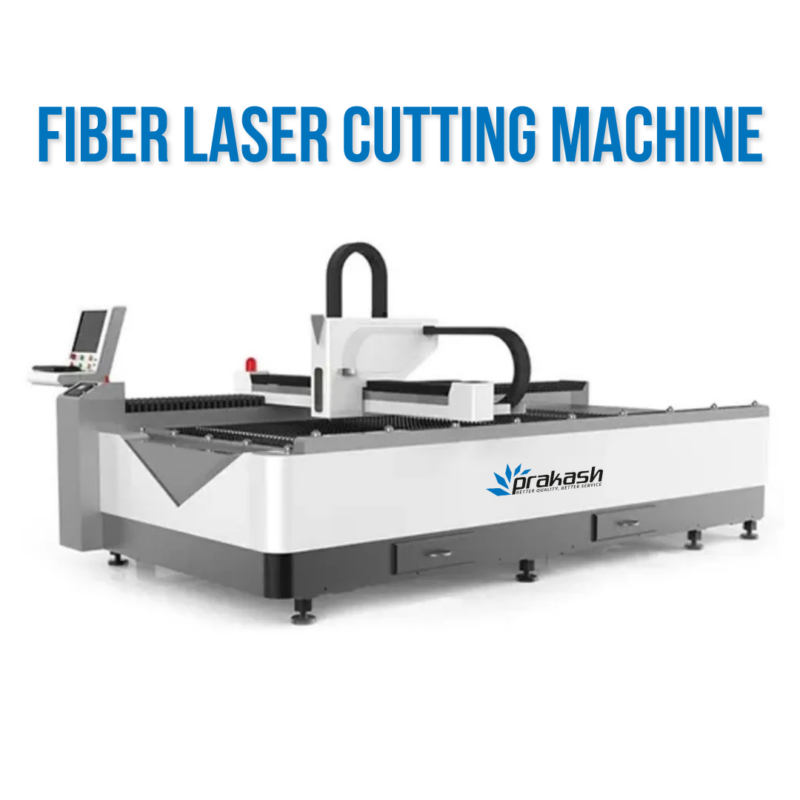
What Is A Fiber Laser Cutting Machine?
A Fiber Laser Cutting Machine is a CNC-controlled system designed to cut metal with speed and precision. Using CAD/CAM-based instructions, the machine follows programmed cutting paths to produce consistent results across a wide range of applications.
In our laser metal cutting machine system, the laser beam is generated within an optical fiber doped with rare-earth elements. Unlike older CO2 systems that depend on gas mixtures and mirror assemblies, this setup delivers the beam directly through fiber optics to the cutting head.
These machines are commonly used for processing steel, stainless steel, aluminum, brass, and copper in fabrication and industrial production settings.
Technical Parameter
| Item | Technical Parameter | ||
|---|---|---|---|
| Laser Type | Fiber Laser Source | ||
| Laser Power | 1Kw/ 2Kw/ 3Kw | ||
| Laser Wavelength | 1070 - 2080mm | ||
| Electro-optical conversion efficiency | 25-30% | ||
| XYZ axis working length | 3000mm/1500mm/120mm | ||
| Cutting thickness | MS0.5-12mm (Depend on materials) | ||
| Incision seam width | 0.1-0.2mm | ||
| Repeated position in accuracy | 0.05mm/1000mm | ||
| Traverse Speed | 100M/min | ||
| Maximum acceleration | 1.0G | ||
| Table maximum load | 800kg | ||
| Total machine weight | 4000kg Approx | ||
| Power demand | 380V 50Hz/60Hz | ||
| Dimension (L x W x H) | 4600mm*2750mm*1500mm | ||
Key Components Of A Fiber Laser Cutting Machine
A Fiber Laser Cutting Machine includes several core components that ensure stable, accurate cutting performance.
- Fiber Laser Source: Generates the laser beam.
- Beam Delivery System: Transfers the beam from the source to the cutting head through fiber optics.
- Laser Cutting Head: Houses the nozzle, lenses, and sensing elements used during cutting.
- Motion and Drive System: Moves the cutting head along the machine axes.
- CNC Control System: Controls machine movement and cutting settings.
- Water Chiller: Keeps the laser source and cutting head at a stable operating temperature.
- Assist Gas System: Supplies gases such as oxygen or nitrogen during cutting.
- Machine Bed or Frame: Provides structural stability and helps limit vibration.
Metals That Can Be Cut With A Fiber Laser
- Mild Steel: Common for general fabrication and structural work.
- Stainless Steel: Supports oxidation-free cutting with smooth, polished-looking edges.
- Aluminum: Suitable for lightweight metal parts and sheet applications.
- Brass: Handles detailed cuts and fine edges well.
- Copper: Well-suited for copper because its wavelength is absorbed more effectively.
- Galvanized Steel: Used for coated metal sheets in industrial applications.
How Does Fiber Laser Technology Work?
Here is a step-by-step breakdown of how the fiber laser cutting process operates:
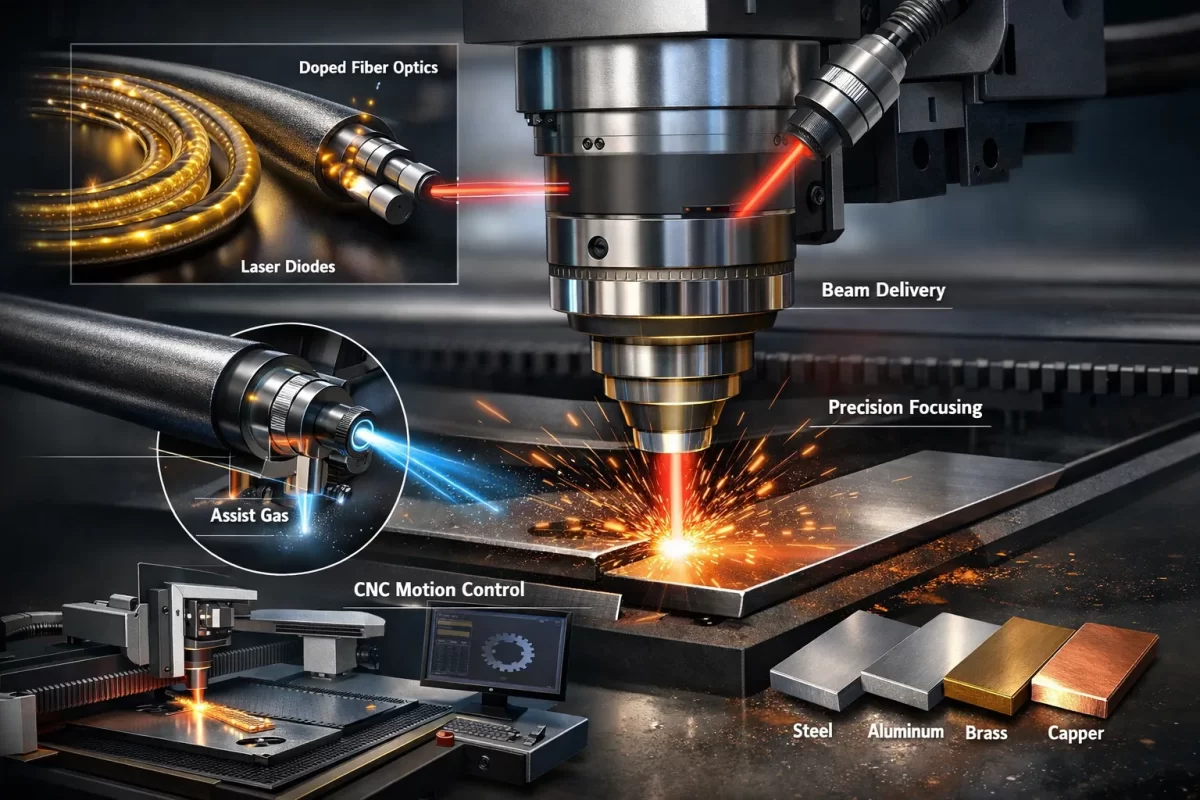
1. Laser Generation
The laser is produced inside an optical fiber doped with rare-earth elements, most commonly ytterbium. Laser diodes deliver energy into the fiber, generating a strong, concentrated beam.
2. Beam Delivery
The beam travels through the fiber-optic cable straight to the cutting head. This design reduces mechanical complexity and supports stable performance.
3. Precision Focusing
At the cutting head, lenses focus the beam into a very small point. The heat at that point melts, vaporizes, or oxidizes the metal, creating the cut.
4. Assist Gas
Nitrogen, oxygen, or compressed air is released through a nozzle next to the beam. This helps push out molten material and supports a cleaner cut edge.
5. CNC Motion Control
The CNC system controls the movement of the cutting head and cutting path. This allows the machine to handle detailed shapes consistently and repeatably.
Key Features Of Our Fiber Laser Cutting Machines
Fiber Laser Cutting Machines deliver the performance many fabrication setups seek: clean output, fast processing, and reduced maintenance. Here are some of the main features that make our metal laser cutting machine a practical option:
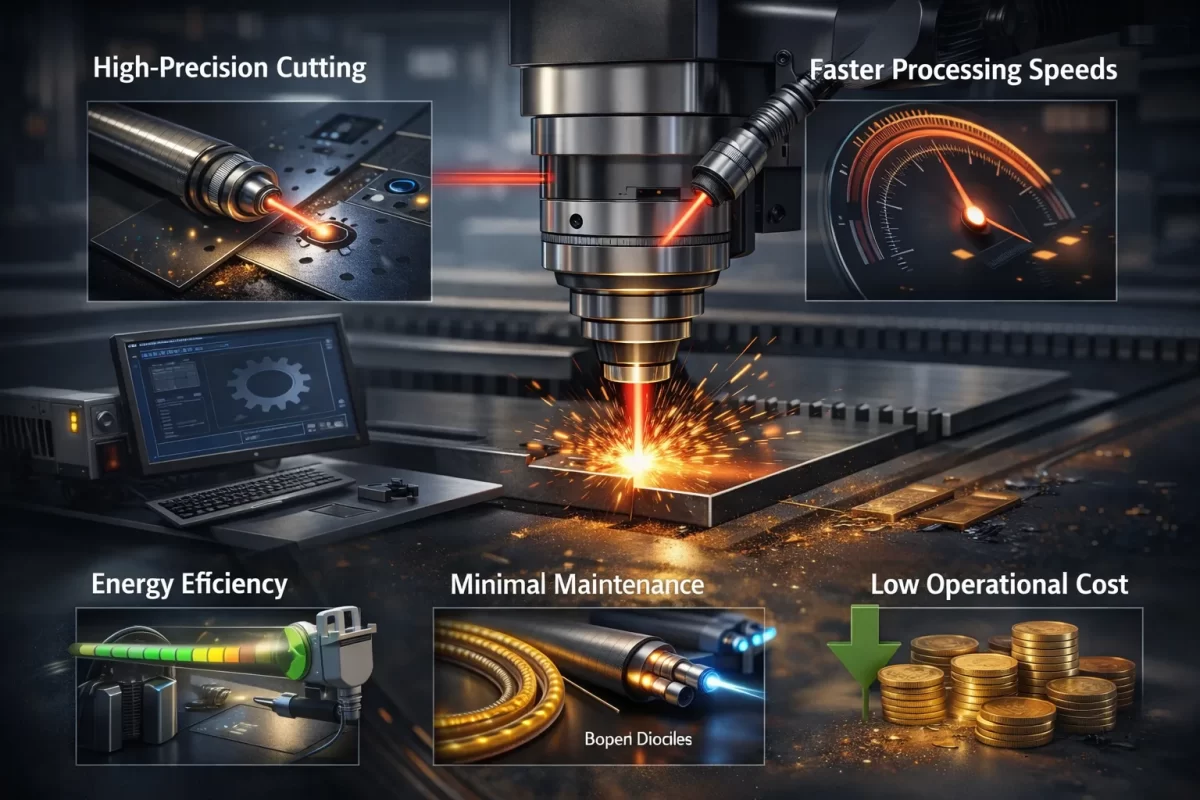
- High-Precision Cutting: The beam can be focused into a very small point, which helps produce neat edges, fine details, and close tolerances.
- Faster Processing Speeds: Fiber laser systems can cut quickly, especially on thin to medium metal sheets, making them well-suited for jobs that need both speed and detail.
- High Beam Quality: A stable, concentrated beam supports smoother cuts and more consistent results across different applications.
- Energy Efficiency: Fiber lasers convert more electrical power into usable laser light than many older systems, thereby reducing power consumption.
- Low Operational Cost: Better power efficiency and reduced servicing needs can help lower overall running expenses over time.
- Minimal Maintenance: Their solid-state design eliminates many of the components that require regular maintenance in traditional laser systems.
Want to understand the process in more detail? See our article: How Does Fiber Laser Cutting Machine Work?
Specifications Of Fiber Laser Cutting Machines
While specifications can vary depending on the machine model and laser power, the following ranges reflect common configurations used in industrial metal cutting systems.
| Parameter | Range |
| Laser Power | 1kW – 12kW |
| Cutting Area | 1500 × 3000 mm / 2000 × 4000 mm |
| Positioning Accuracy | ±0.03 mm |
| Maximum Cutting Speed | 100–140 m/min |
| Cooling System | Industrial Water Chiller |
Want to understand the process in more detail? See our article: How Does Fiber Laser Cutting Machine Work?
Types Of Fiber Laser Cutting Machines
As a Metal Laser Cutting Machine Manufacturer, we offer a range of Fiber Laser Cutting Machines to suit various production needs, material types, and cutting setups.
- Open Type Fiber Laser Cutting Machine: Built with an open table design for easy access and smooth loading and unloading of metal sheets.
- Fully Enclosed Fiber Laser Cutting Machine: Features a protective enclosure that improves safety, controls fumes and light emissions, and creates a more controlled cutting environment.
- Exchange Table Fiber Laser Cutting Machine: Uses dual worktables, allowing one table to be loaded or unloaded while the other is cutting, reducing production downtime.
- Sheet Metal Laser Cutting Machine: Designed specifically for the precise cutting of flat metal sheets such as steel, stainless steel, and aluminum.
- Tube or Pipe Laser Cutting Machine: Engineered to cut round, square, rectangular, and other structural metal tube profiles with high accuracy.
Learn more about laser technologies: See our guide on 4 Types of Laser Cutting Machines and how they differ in industrial cutting applications.
Industries That Use Fiber Laser Cutting Machines
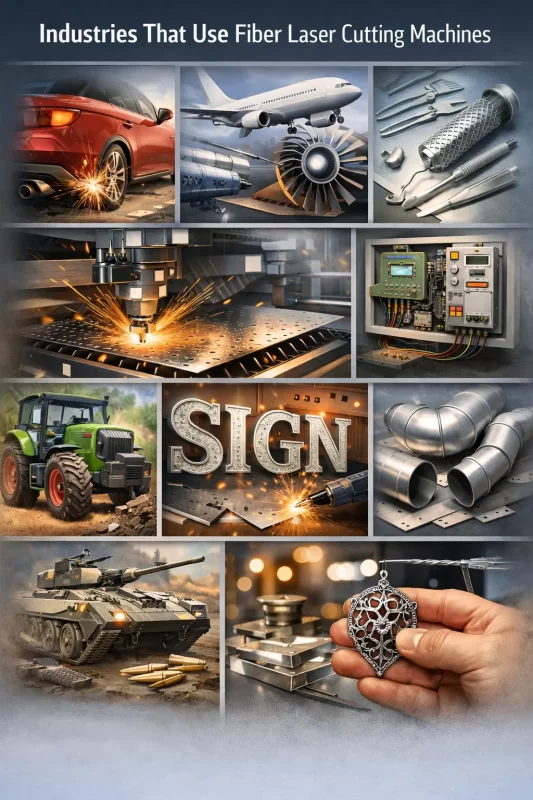
Fiber laser cutting machines support a wide range of industrial applications, from large-scale production to detailed metal part cutting.
Here’s a concise pointer version:
- Automotive Industry: Used for cutting parts such as body panels, doors, exhaust components, and other metal sections.
- Aerospace and Aviation: Suitable for detailed cutting of lightweight metals such as aluminum and titanium.
- Metal Fabrication and Engineering: Commonly used for sheet metal parts, cabinets, enclosures, frames, and custom metal components.
- Medical Device Manufacturing: Supports precise cutting of small, detailed metal parts used in medical equipment.
- Electronics and Electrical: Used for control panels, electrical cabinets, and other metal components that require accuracy.
- Agricultural Machinery: Helps process metal parts used in farming and heavy equipment production.
- Advertising and Signage: Suitable for cutting metal letters, logos, decorative panels, and custom signage parts.
- HVAC and Construction: Used for ducts, pipes, brackets, panels, and structural metal components.
- Defense and Military: Applied in the production of strong and precise metal parts for equipment and vehicles.
- Jewelry and Artistic Design: Supports detailed cutting for decorative, creative, and fine metalwork jewelry-making applications.
Fiber Laser Cutting Machine Advantages Over Other Cutting Technologies
Here are the key advantages that set fiber laser cutting apart from other methods.
| Technology | Key Limitation | Fiber Laser Advantage |
| Plasma Cutting | Lower precision and wider cut edges | Fiber lasers produce cleaner edges with a narrow kerf and better detail. |
| Oxyfuel Cutting | Slower when processing thin metals | Fiber lasers cut thin materials much faster with better consistency. |
| Mechanical Cutting | Cutting tools wear down over time | Fiber lasers are contact-free, reducing tool wear and maintenance. |
| CO2 Laser Cutting | Lower efficiency and higher power consumption | Fiber lasers cut faster and operate with better energy efficiency. |
How To Choose The Right Fiber Laser Cutting Machine
Choosing the right Fiber Laser Cutting Machine depends on the type of metal you cut, the thickness you handle, and the output your work demands. Looking at the right machine specs early makes the buying decision easier.
Pick The Right Laser Power
Power affects both cutting capacity and electricity use. A 1.5kW machine uses about 6–8 kW/hour, a 2kW machine 10–12 kW/hour, and a 3kW machine 15–18 kW/hour.
Check The Maximum Cutting Thickness
Always match the machine to the material thickness you plan to process most often. This helps avoid underpowered or oversized equipment.
Choose A Suitable Working Area
The table size should fit the largest sheets used in your setup. A proper bed size supports smoother handling and better workflow.
Consider Speed And Production Volume
For regular or high-volume jobs, choose a machine that delivers fast cutting, consistent accuracy, and repeatable output across long production runs.
Look At Automation Features
Auto-focus heads, nesting software, and loading or unloading systems improve workflow, reduce manual handling, cut material waste, and support smoother day-to-day production across operations.
Review Cooling, Service, And Support
Strong after-sales support matters. If you are comparing a Fiber Laser Cutting Machine Haryana supplier, check installation help, training, spare parts, and service response before choosing one.
Want to learn more about choosing the right machine? Read: Where Can You Find The Best Laser Cutting Machine Price in India?
Why Choose Prakash Laser For Fiber Laser Cutting Machines
Our Fiber Laser Cutting Machine is engineered for heavy-duty metal cutting, delivering global-standard precision and reliable performance for Indian industrial applications. Backed by advanced R&D, this India-made technology is designed to match local production needs with reliable output and strong machine stability.
CNC Integration
Integrated CNC control supports smooth motion, stable cutting paths, and better process control.
Durable Machine Structure
A strong machine body helps maintain stability during demanding metal cutting applications.
Custom Configurations
Machine options can be customised as per material type, sheet size, and production requirements.
Technical Support
We support buyers with installation guidance, training, and service assistance for smoother day-to-day operation.
So, if you have been searching for a ‘Fiber Laser Cutting Machine Faridabad’ for your industrial setup, machines from Prakash Laser offer a practical solution built for varied manufacturing needs. Contact us and book your demo today.
Watch the virtual demo of our Fiber Laser Cutting Machine in a YouTube video.
Frequently Asked Questions
1. How long does a fiber laser cutting machine usually last?
The laser source in a Fiber Laser Cutting Machine is designed for a long service life, often reaching 100,000+ hours under suitable operating conditions.
2. Does a Fiber Laser Cutting Machine need a lot of maintenance?
Maintenance is generally lower than with older laser systems because fiber machines use a solid-state design and do not rely on mirror alignment in the same way.
3. How important is laser power when choosing a machine?
Laser power is one of the main selection factors because it affects cutting capacity, speed, and the thickness range the machine can handle.
4. Can a fiber laser cutting machine support high-volume production?
Yes. It is commonly chosen for production work because of its cutting speed, repeatability, and suitability for automated workflows.
5. Does the cut edge always need finishing work?
Not always. Fiber lasers are known for narrow kerf width and smooth cut quality, which can reduce the need for post-processing in many applications.
6. Can rust or surface condition affect cutting quality?
Yes. Surface condition can influence cut quality, so rusty or contaminated material may need closer parameter control.
7. Is operator training important for fiber laser machines?
Yes. Proper training helps with machine setup, parameter selection, and consistent cutting results during daily operation.
8. How can I estimate the running cost of a Fiber Laser Cutting Machine?
The running cost depends on factors such as electricity use, production volume, and machine efficiency.
For a closer look, you can read our guide on Calculating ROI and Running Costs for a 3kW Fiber Laser Cutting Machine.
Check Our Other Machines
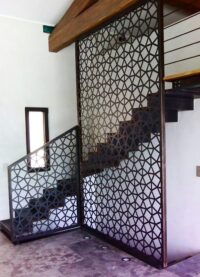
Grill Cutting
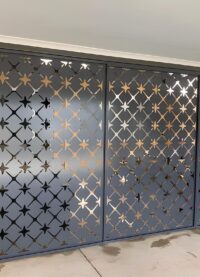
MS Grill Cutting
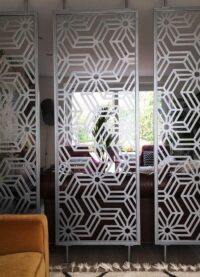
SS Cutting Design
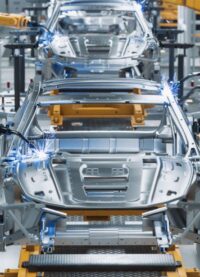
EV chassis Cutting
Gym Equipment
Ready To Upgrade? Request Your Free Quote Now!
Connect With India’s Trusted Fiber Laser Experts Today
Not sure which fibre laser cutting machine fits your setup? We won’t throw specs at you and disappear. At Prakash Laser, real experts help real manufacturers get real results. Ready to upgrade? Or just curious? Either way. Contact us; we’re just one click away from cutting through the confusion.