

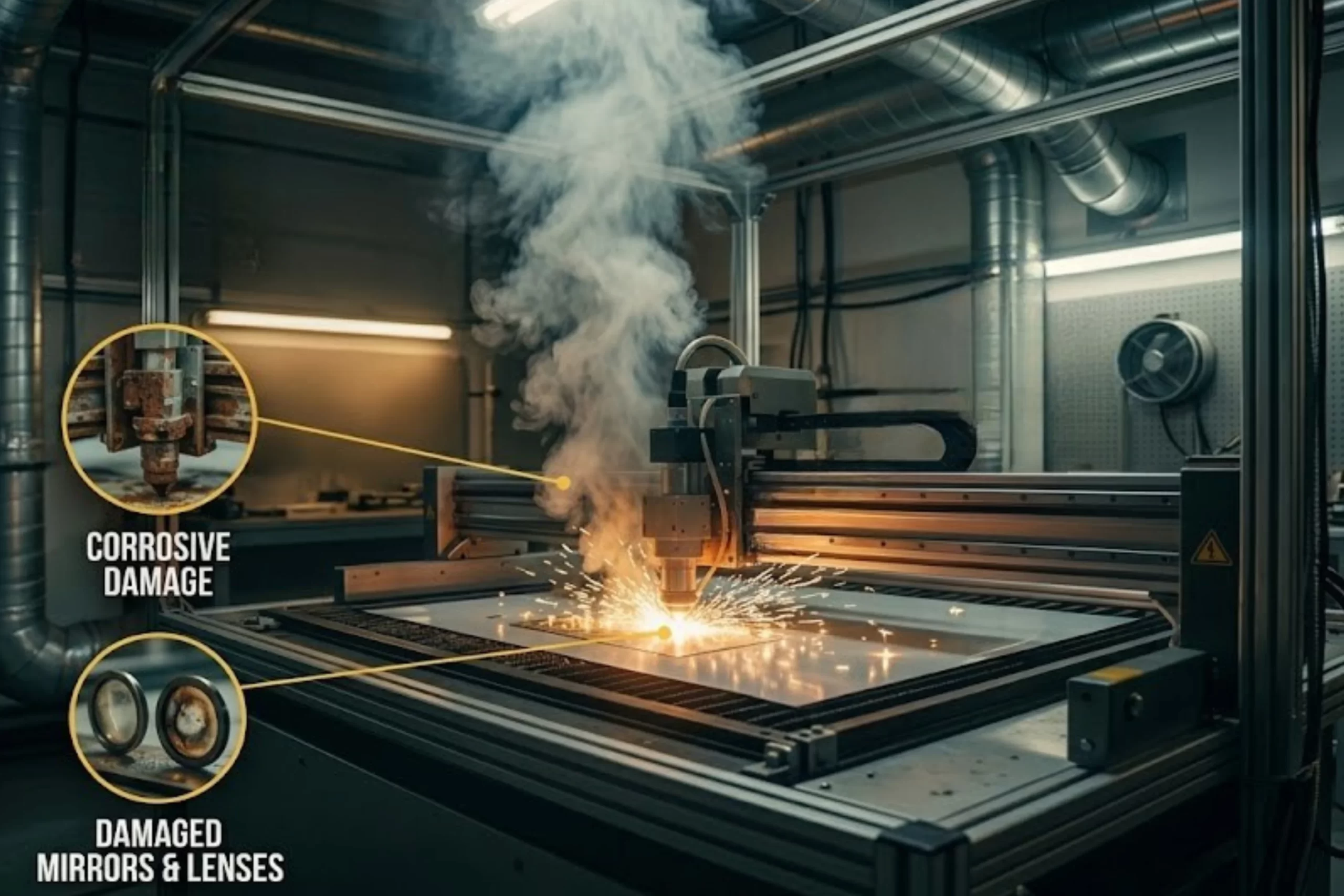
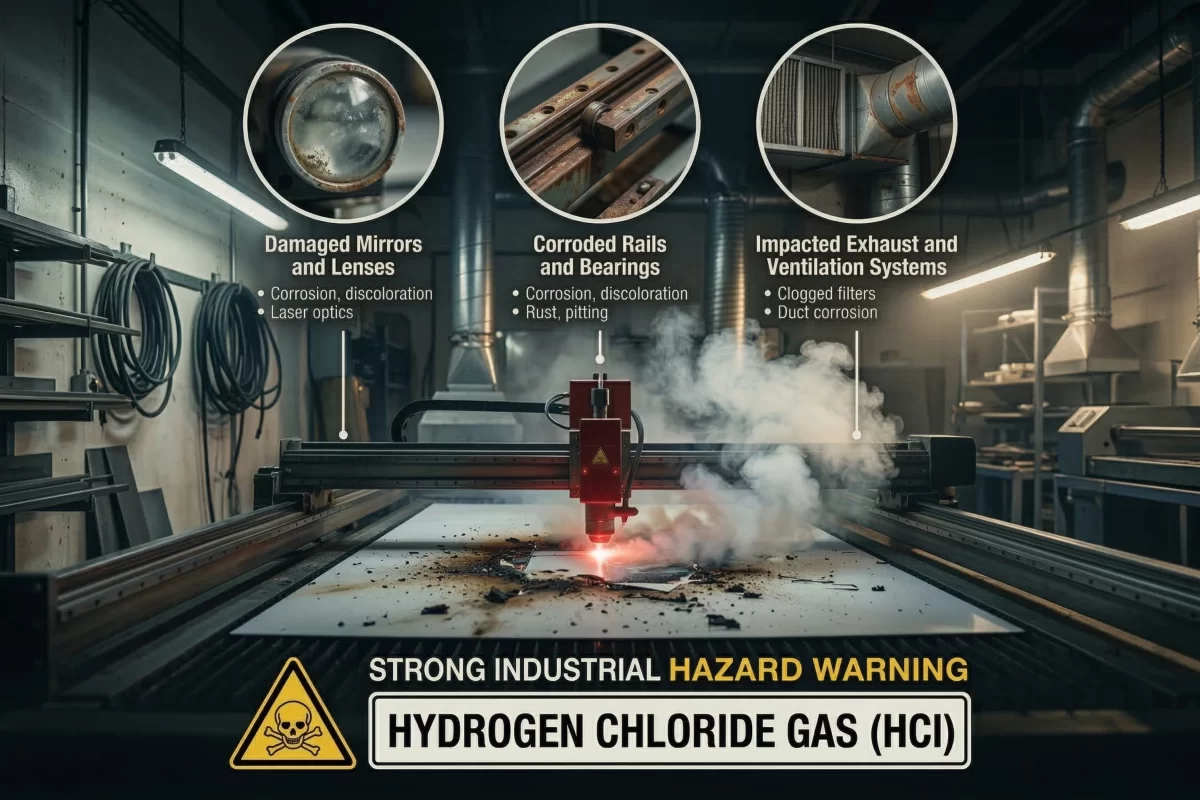
Industrial laser cutting workstations operate with high-energy beams capable of processing metals, plastics, and engineered materials with extreme precision. While these systems improve manufacturing efficiency, they also introduce controlled risks related to optical radiation, heat generation, sparks, fumes, and electrical components.
Safe operation depends on structured planning built around two core systems: appropriate personal protective equipment (PPE) and properly engineered ventilation. Together, these controls reduce operator exposure, maintain air quality, and support compliance with recognized industrial safety standards such as OSHA workplace regulations and ANSI laser safety classifications.
This guide explains the essential PPE standards, ventilation requirements, enclosure considerations, and compliance planning strategies for laser cutting, engraving, and marking workstations.
Essential PPE And Ventilation Requirements For Laser Machine Workstations
Industrial laser cutting workstations operate with high-energy beams capable of processing metals, plastics, and engineered materials with extreme precision. While these systems improve manufacturing efficiency, they also introduce controlled risks related to optical radiation, heat generation, sparks, fumes, and electrical components.
Safe operation depends on structured planning built around two core systems: appropriate personal protective equipment (PPE) and properly engineered ventilation. Together, these controls reduce operator exposure, maintain air quality, and support compliance with recognized industrial safety standards such as OSHA workplace regulations and ANSI laser safety classifications.
This guide explains the essential PPE standards, ventilation requirements, enclosure considerations, and compliance planning strategies for laser cutting, engraving, and marking workstations.
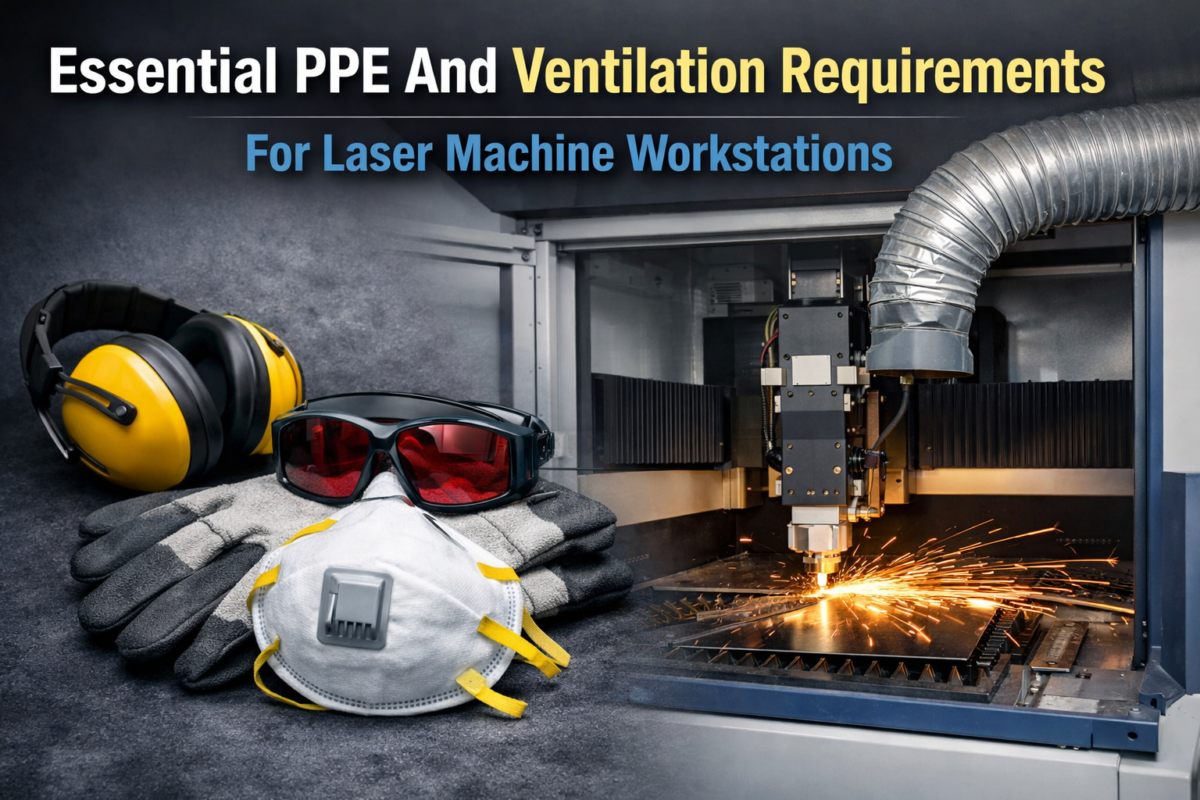
Table of Contents
- Understanding Safety Risks In Laser Cutting Workstations
- Mandatory PPE For Laser Cutting Workstations
- Ventilation Standards For Laser Cutting Workstations
- Safety Enclosures For Laser Workstations
- PPE For Marking & Laser Engraving Workstations
- Advanced Planning For High-Production & Robotic Laser Workstations
- Fiber vs CO2 Systems In Laser Cutting Workstations
- Maintenance Planning For Safe Operation
- Cost Planning For Laser Cutting Workstations
- Layout Planning For Industrial Workspaces
- Common Safety Mistakes In Laser Cutting Workstations
- Final Thoughts
- Frequently Asked Questions
Understanding Safety Risks In Laser Cutting Workstations
Laser cutting workstations combine high-energy beams, thermal output, and material processing within controlled production spaces. Without preparation, operators may face exposure to reflected beams or airborne contaminants.
The cutting process produces sparks, heated fragments, and small particles during operation.
Electrical systems inside machines require proper grounding and inspection routines. Understanding these risks allows facilities to design preventive safety systems before production begins.
Common risk categories
- Beam exposure from direct or reflected radiation
- Fire hazards from sparks and hot debris
- Electrical risks from power components
- Fume and particle buildup in enclosed spaces
Beam and non-beam hazards
- Laser beams may reflect from polished surfaces and move outside the intended cutting paths.
- Even brief exposure to reflected radiation can affect unprotected eyes.
- Non-beam hazards include fire risks, electrical contact, and contact with heated materials.
- Clear warning signage and restricted access zones reduce accidental entry.
Safety enclosures for laser workstations help contain beam paths within defined areas.
| Hazard Type | Example Risk | Control Method |
| Beam Hazard | Reflected radiation | Wavelength-matched safety eyewear |
| Fire Hazard | Sparks near flammable items | Flame-resistant clothing |
| Electrical Hazard | Exposed wiring | Grounding and inspection routines |
Fume and particulate exposure risks
Processing metals, plastics, and coated materials releases visible smoke and fine particles. These contaminants may remain suspended in poorly ventilated environments. High-production laser workstations operating continuously can increase airborne concentration levels.
Robotic laser workstations inside automated cells also require controlled airflow management.
Effective ventilation captures contaminants near their sources before they spread.
Mandatory PPE For Laser Cutting Workstations
Personal protective equipment provides direct protection when working near laser cutting workstations. Laser safety glasses must match the system wavelength and output specifications.
Flame-resistant clothing reduces exposure to sparks and heated debris.
Gloves protect hands during material handling and part removal. Respiratory protection may be required when visible particles are generated.
Essential PPE checklist
- Laser-rated eyewear
- Flame-resistant clothing
- Heat-resistant gloves
- Respiratory masks, when needed
- Hearing protection in louder environments
Ventilation Standards For Laser Cutting Workstations
Ventilation systems maintain air quality in facilities that operate laser cutting workstations. Local exhaust ventilation captures fumes directly at the cutting source. Filtration units remove fine particles before air recirculates into the workspace.
Ducted systems discharge contaminated air outside the building structure. Ductless systems rely on multi-stage internal filtration technologies.
| System Type | Best For | Key Feature |
| Local Exhaust | Source capture | Immediate fume removal |
| Ducted System | Large facilities | Air expelled outside |
| Ductless System | Smaller setups | Internal filtration |
Key ventilation factors
- Room size and ceiling height
- Number of machines
- Production hours
- Material type
- Filter capacity
Safety Enclosures For Laser Workstations
Laser workstation safety should align with recognized industrial standards and classification systems. Facilities operating laser equipment are typically guided by:
- OSHA workplace safety regulations
- ANSI Z136 laser safety standards
- ISO laser system classification requirements
These frameworks define laser hazard classes, exposure limits, signage requirements, training expectations, and engineering control recommendations.
For example:
- Class 1 enclosed systems are designed to prevent hazardous beam exposure during normal operation.
- Higher-class open systems require additional protective measures, including certified eyewear and restricted access zones.
Integrating PPE and ventilation planning according to these standards improves inspection readiness and long-term operational compliance.
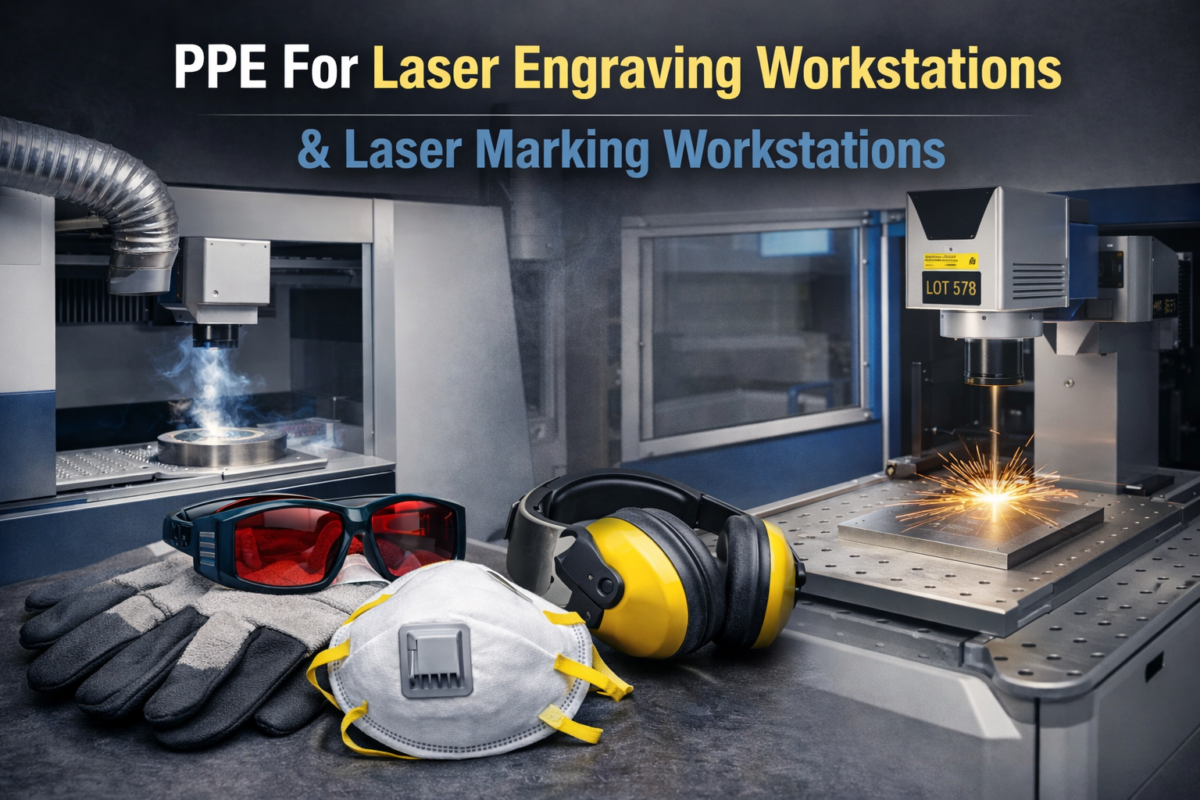
PPE For Marking & Laser Engraving Workstations
Laser engraving and marking workstations differ in power output and processing depth.
- Even with lower intensity, they can generate smoke and residue.
- Protective eyewear remains necessary because reflections can occur.
- Compact extraction systems often support smaller workstation designs.
- Material type influences ventilation and filtration selection.
| Workstation Type | Output Level | Ventilation Need |
| Cutting | High heat | Strong extraction |
| Engraving | Surface marking | Moderate extraction |
| Marking | Precision labeling | Local extraction |
Explore Industrial Laser Systems
For industrial-grade systems designed with enclosure compatibility and ventilation integration in mind, you can check these out:
Advanced Planning For High-Production & Robotic Laser Workstations
- High production laser workstations operate continuously across extended shifts.
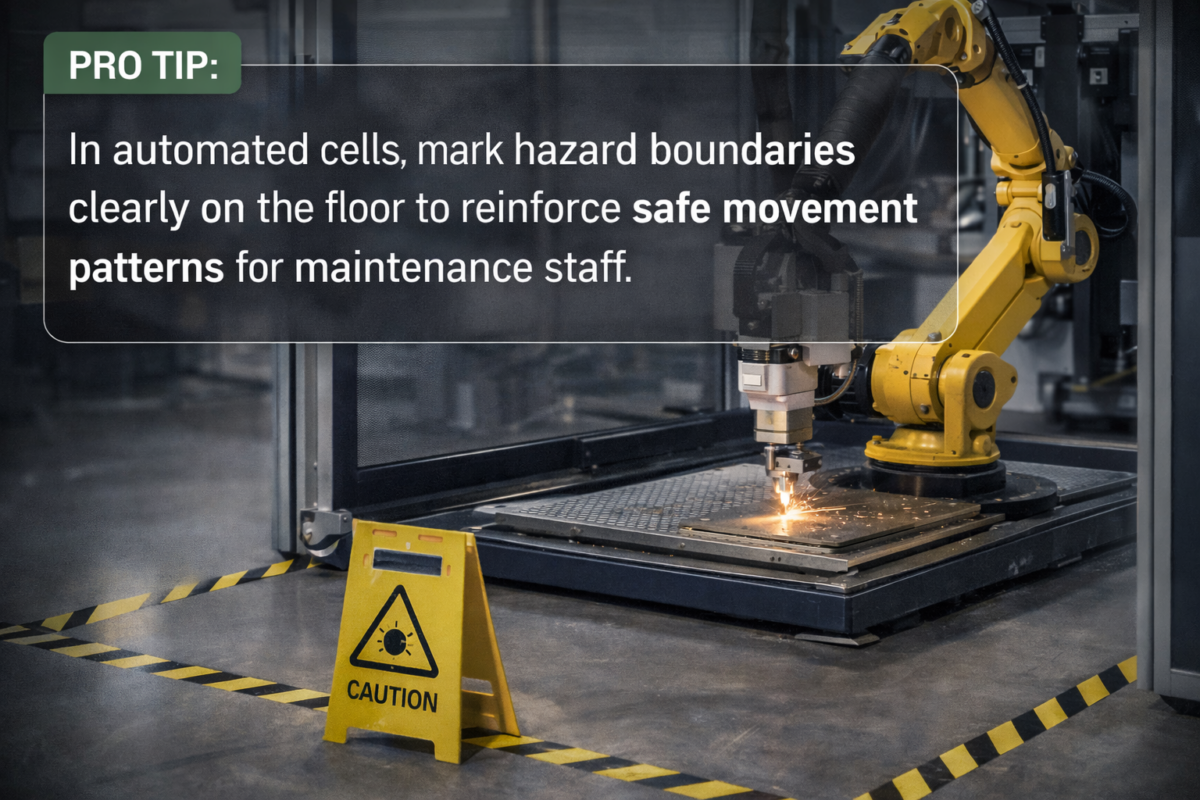
- Robotic laser workstations operate within automated cells with dynamic motion patterns.
- Airflow must remain consistent during continuous operation cycles.
- Centralized extraction systems can connect multiple machines to one filtration unit.
- Regular duct inspection maintains consistent airflow performance.
Fiber vs CO2 Systems In Laser Cutting Workstations
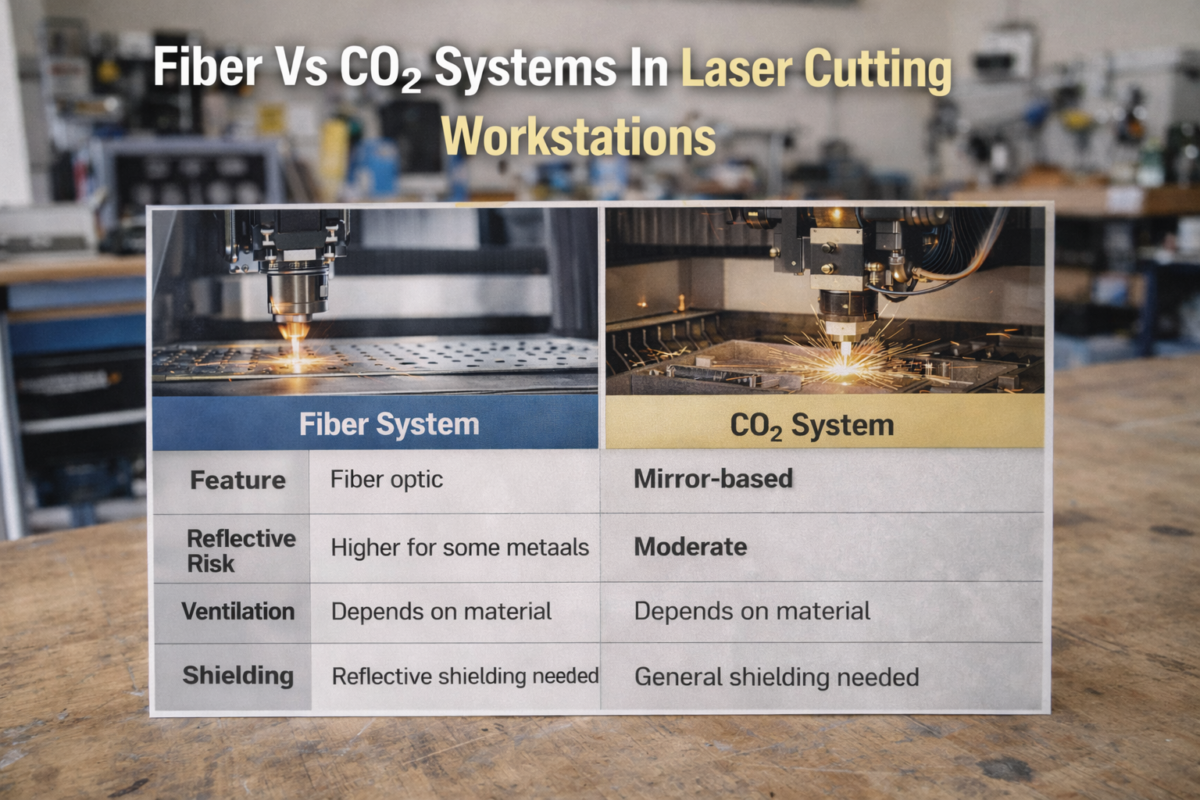
- Fiber and CO2 systems use different beam delivery technologies.
- Reflective material behavior may vary between these system types.
- Ventilation demand depends primarily on the processed material rather than the laser type.
- Shielding strategies may differ depending on beam reflection characteristics.
- Understanding these differences supports informed planning decisions.
Maintenance Planning For Safe Operation
- Routine maintenance supports reliable performance in laser cutting workstations.
- Ventilation filters require periodic inspection and replacement.
- Cooling systems must function correctly during extended operation.
- Electrical components need regular safety inspections.
- Maintenance logs help track service schedules and inspections.
Cost Planning For Laser Cutting Workstations
Budgeting includes more than purchasing the core machine system. Enclosures, ventilation systems, and automation increase total investment.
High-production laser workstations may require centralized extraction systems. Robotic laser workstations involve additional safety barriers and integration costs. Planning early prevents unexpected installation expenses.
| Cost Category | Considerations |
| Base Unit | Machine system |
| Enclosure | Class type |
| Ventilation | Ducted or ductless |
| Automation | Robotic integration |
| Maintenance | Service costs |
Layout Planning For Industrial Workspaces
- Workspace layout affects airflow, safety, and operator movement efficiency.
- Machines should allow space for ventilation duct routing.
- Clear pathways reduce accidental contact with cutting zones.
- Safety enclosures for laser workstations must align with the airflow direction.
- Automated cells require perimeter clearance and maintenance access.
Common Safety Mistakes In Laser Cutting Workstations
- Some facilities install systems but skip airflow verification after installation.
- Others assume enclosures remove the need for protective eyewear.
- Ignoring filter replacement schedules reduces extraction efficiency.
- Incomplete documentation creates confusion during compliance inspections.
- Recognizing common mistakes improves safety consistency.
Final Thoughts
Industrial laser workstations demand coordinated safety planning across PPE, ventilation, enclosure design, and documentation systems. Facilities that proactively manage airflow verification, maintenance tracking, and regulatory alignment reduce operational risk and improve long-term production stability. Structured safety planning is not optional, it is a core requirement of responsible industrial operation.
Frequently Asked Questions
1. Do laser cutting workstations always require PPE?
Yes, protective equipment is typically required to reduce exposure to beams, sparks, and airborne particles during operation.
2. Are ventilation systems necessary for smaller laser setups?
Yes, even smaller laser engraving and laser marking workstations may produce fumes that require proper airflow control.
3. Do safety enclosures for laser workstations eliminate all risks?
Enclosures reduce exposure risks, but operators may still need eyewear and other protective equipment.
4. Why do high-production laser workstations need stronger ventilation?
Continuous operation increases fume generation, requiring more efficient extraction and filtration systems.
5. Are robotic laser workstations safer than manual systems?
Robotic systems reduce direct operator exposure, but they still require ventilation, enclosures, and routine inspection.